
 Popular
 Games
Games




































Backrooms
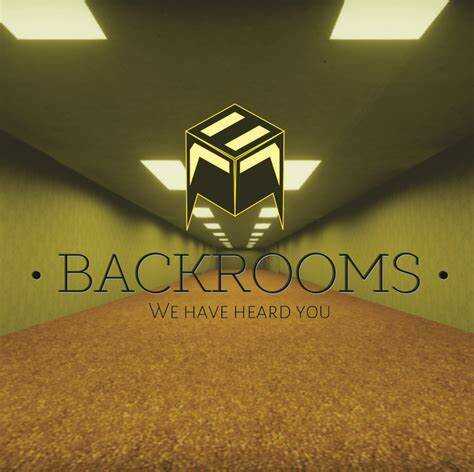
Backrooms is the kind of browser game that gets interesting as soon as you understand its rhythm. Backrooms depends on tension more than raw speed. The mechanics are usually readable, but the game gets under your skin by making every delay feel expensive and every sound seem important. Instead of flooding the screen with constant action, it uses uncertainty, timing, and the fear of making the wrong call. That slower pressure is a big part of the appeal.
What keeps Backrooms moving is a repeatable loop of setup, reaction, and recovery. The core loop revolves around checking the right information, reacting before a threat becomes unavoidable, and preserving just enough control to survive the next spike in pressure. That means attention matters. If you drift into autopilot, Backrooms tends to punish it quickly. The challenge is not only knowing what tool to use, but also deciding when to use it without draining your resources too early.
Under the surface, Backrooms stays interesting because a few simple mechanics combine into real decisions. Mechanically, Backrooms is usually a loop of gathering information, reacting on time, and managing limited resources like power, visibility, or safe actions. The difficulty ramps up when multiple problems overlap, so the key skill is staying calm and following a simple priority order. If there are tools or locks, use them to buy time rather than waiting for a perfect moment.
One useful habit in Backrooms is to give yourself a little margin instead of using every move at full speed. The best general strategy is to stay disciplined. Resist the urge to overcheck everything. In a horror game like Backrooms, panic usually burns more time or power than the threat itself. Learn the warning signs, keep a simple routine, and break that routine only when something clearly demands it. The calmer you stay, the easier it is to notice the small cues that actually matter.
There is usually one point in a strong run where everything threatens to unravel and then clicks back into place. A strong run in Backrooms often includes one scene where you barely stabilize the situation after a chain of bad signals. You close one problem, spot another at the last second, and scrape through with almost nothing left to spare. That thin margin between control and collapse gives the game its personality and makes successful runs feel memorable.
That idea becomes clearer in the middle of a real run. For example, you may spend several seconds holding a routine together, hear one cue that feels slightly off, and realize the entire situation is changing. Backrooms gets a lot of mileage out of that uncertainty, where reacting too slowly is dangerous but reacting to everything is just as costly.
That is also why repeat attempts stay interesting instead of repetitive. That replay value matters because fear fades if the systems underneath it are shallow. Backrooms keeps its edge by making attention and timing matter on every run. Even once you understand the structure, there is still tension in executing it cleanly under pressure.
It also means the game stays readable even when things get messy. Whether you play for a quick break or stay long enough to chase a cleaner run, Backrooms has the kind of straightforward structure that makes improvement noticeable from one attempt to the next.
How to play Backrooms?
Play with the controls shown on the page and focus on information first. Backrooms usually rewards careful checking, timely reactions, and disciplined resource use more than frantic clicking. Build a simple routine, watch for the cues that actually matter, and stay calm when pressure spikes so you do not waste your best options too early.
Controls
Desktop: Use WASD to move and the mouse to look around.
Similar games on Pizza Edition
- Granny is another tension-based survival game that turns sound, timing, and route planning into the main challenge.
- FNAF 1 is a suspense-heavy management horror game where information and resource control decide every night.
- Tiny Fishing is a compact progression game that stays compelling because upgrades clearly change each run.
Who created Backrooms?
Backrooms was created by Pizza Edition.
Can I play Backrooms on mobile devices and desktop?
Backrooms runs in your browser on desktop. Mobile support depends on the embedded version and how well its controls translate to touch devices, so performance and usability can vary between phones, tablets, and computers.